Pure Organic CBD Oil: Benefits & Buying Guide
Overview
- Shop & Retail
- 300
Description
Pure Organic CBD Oil: A Complete Guide
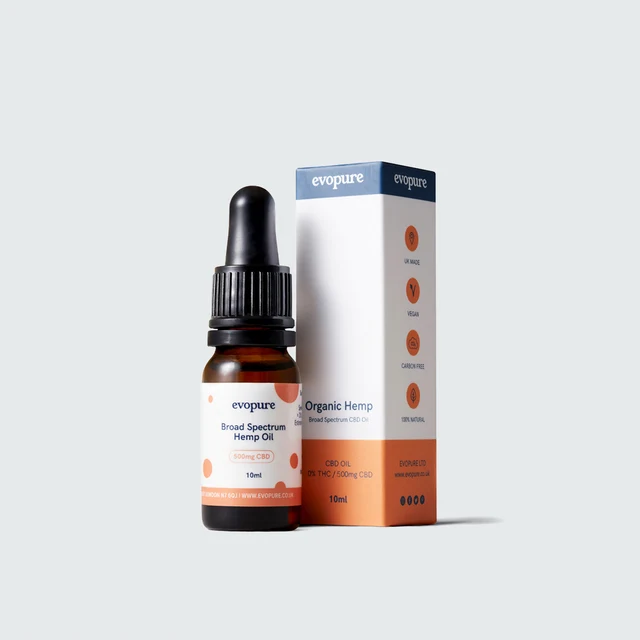
Pure organic CBD oil is a popular choice for people looking for hemp-derived CBD products with a focus on natural sourcing and organic cultivation. From understanding CBD concentration to checking ingredients and certifications, knowing what makes a quality product can help you make a confident choice.
What Is Pure Organic CBD Oil?
Pure organic CBD oil is generally made using CBD-rich hemp that has been cultivated according to organic farming practices. The extracted CBD is then combined with a carrier oil to create a liquid product.
Depending on the formulation, CBD oil may contain:
- Cannabidiol (CBD)
- Other naturally occurring cannabinoids
- Terpenes
- Hemp-derived compounds
- MCT, hemp seed, or olive oil
- Other plant-based ingredients
The exact composition varies between products, so checking the label is essential.
What Does “Organic” Mean in CBD Oil?
The term organic generally relates to how the hemp and other agricultural ingredients are grown and processed. Organic farming practices can focus on responsible soil management and restrictions on certain synthetic agricultural chemicals.
However, natural does not automatically mean organic.
If organic certification matters to you, look for clear certification information or documentation supporting the manufacturer’s organic claims.
Why Choose Organic CBD Oil?
Consumers may prefer organic CBD products for several reasons.
Organic Hemp Cultivation
Organic-focused hemp production may appeal to people who want products made from carefully cultivated plants.
Ingredient Transparency
Many consumers prefer CBD oils with simple, clearly listed ingredients.
Natural Plant Compounds
Depending on the formulation, hemp extract may contain CBD alongside other naturally occurring plant compounds.
Quality-Focused Production
Reputable CBD manufacturers may provide information about sourcing, extraction, testing, and batch details.
Organic sourcing is only one part of product quality. Testing and manufacturing standards are also important.
Understanding CBD Types
Before buying pure organic CBD oil, it helps to understand the three main CBD formulations.
Full Spectrum CBD
Full spectrum CBD contains multiple naturally occurring hemp compounds and may contain trace amounts of THC within applicable legal limits.
Broad Spectrum CBD
Broad spectrum CBD can contain CBD and other hemp compounds while being formulated without detectable THC.
CBD Isolate
CBD isolate is a highly purified form of cannabidiol and is designed to contain CBD without the wider range of hemp compounds.
The best option depends on your preferences and the specific product.
How Is Pure Organic CBD Oil Made?
The production process can vary between manufacturers, but generally involves several stages.
1. Hemp Cultivation
Hemp plants are cultivated and harvested using the manufacturer’s chosen agricultural practices.
2. CBD Extraction
CBD-rich compounds are extracted from the harvested hemp material.
3. Processing
The extract may be filtered or further refined depending on whether the final product is full spectrum, broad spectrum, or isolate.
4. Formulation
The CBD extract is combined with a suitable carrier oil.
5. Laboratory Testing
Quality-focused manufacturers may test the finished product for cannabinoid content, contaminants, and other quality parameters.
CBD Extraction Methods
Different manufacturers use different extraction methods.
Common methods include:
- CO₂ extraction
- Ethanol extraction
- Other specialised extraction techniques
The extraction method alone does not determine overall product quality. Farming, processing, formulation, storage, and independent testing also matter.
Pure Organic CBD Oil and Carrier Oils
CBD extract is commonly combined with a carrier oil to create a suitable liquid formulation.
Popular carrier oils include:
- MCT oil
- Hemp seed oil
- Olive oil
- Coconut-derived oils
The carrier oil can influence the taste, texture, and overall formulation.
If you have allergies or dietary preferences, always review the complete ingredient list.
How to Choose Pure Organic CBD Oil
Choosing a CBD oil involves more than looking for the word “organic.”
Check Organic Certification
If certified organic ingredients are important to you, look for relevant certification details.
Review the CBD Concentration
Check the total CBD amount in the bottle and the amount provided per recommended serving.
Read the Full Ingredient List
Look for the type of hemp extract, carrier oil, flavourings, and any additional ingredients.
Look for Independent Testing
Third-party laboratory testing can help verify cannabinoid content and provide information about potential contaminants.
Check Batch Information
A batch number and corresponding laboratory report can provide useful product traceability.
Understanding CBD Strength
CBD oils are available in different concentrations, so comparing the total CBD amount is important.
For example, a bottle may contain 300mg, 500mg, or 1000mg of CBD. However, bottle size also affects concentration.
When comparing products, consider:
- Total CBD per bottle
- Bottle volume
- CBD per serving
- Number of servings
- Recommended serving size
A higher total CBD amount does not automatically mean a product is better suited to your needs.
Hemp Seed Oil vs CBD Oil
These two products are often confused.
Hemp seed oil is made from hemp seeds and naturally contains very little CBD.
CBD oil generally contains CBD-rich hemp extract combined with a carrier oil.
Therefore, a product labelled “hemp oil” is not necessarily a CBD product. Always check the ingredient list and cannabinoid information.
How to Use Pure Organic CBD Oil
Always follow the instructions provided with your specific product.
A responsible approach includes:
- Read the product label carefully.
- Check the CBD concentration.
- Follow the recommended serving.
- Use the supplied dropper when applicable.
- Do not exceed the manufacturer’s recommended amount.
- Store the product according to the instructions.
Individual responses to CBD can vary, so avoid assuming that a larger amount is necessarily more effective.
CBD Oil as Part of a Wellness Routine
Some consumers incorporate CBD into their broader wellness routines.
A balanced lifestyle can also include:
- Nutritious meals
- Regular exercise
- Consistent sleep
- Adequate hydration
- Relaxation practices
- Healthy daily habits
- Effective stress management
CBD should complement healthy lifestyle choices rather than replace professional medical care.
How to Check CBD Oil Quality
A quality-focused CBD product should provide clear and accessible information.
Look for:
Transparent Ingredients
The complete ingredient list should be easy to find and understand.
Clear CBD Content
The label should state the total CBD amount and serving information.
Laboratory Testing
Independent testing can help confirm the cannabinoid profile and identify unwanted contaminants.
Traceable Batches
Batch numbers allow testing information to be connected to a particular product.
Manufacturer Information
Reputable suppliers should provide clear information about their products and manufacturing practices.
Pure Organic CBD Oil in the UK
UK consumers should consider both product quality and applicable regulations when purchasing CBD.
Ingestible CBD products are subject to the UK’s novel food framework, while organic claims may also need to meet relevant requirements.
Regulations can change, so choose reputable suppliers and check current UK requirements before purchasing or consuming a CBD product.
Is Pure Organic CBD Oil Suitable for Everyone?
CBD is not suitable for everyone and can interact with certain medications.
Speak with a qualified healthcare professional before using CBD if you:
- Take prescription medication
- Have an existing health condition
- Are pregnant or breastfeeding
- Take multiple supplements
- Are uncertain whether CBD is appropriate for you
Always follow the manufacturer’s instructions and keep CBD products away from children and pets.
Common Mistakes When Buying Organic CBD Oil
Assuming Natural Means Organic
A product can be marketed as natural without being certified organic.
Choosing Only by CBD Strength
The highest CBD concentration is not necessarily the most appropriate option.
Ignoring Laboratory Testing
Testing can provide useful evidence about cannabinoid content and product quality.
Confusing Hemp Seed Oil With CBD Oil
Hemp seed oil and CBD-rich hemp extract are different ingredients.
Overlooking Additional Ingredients
Always check carrier oils, flavourings, botanical extracts, and other components before purchasing.
Frequently Asked Questions
What is pure organic CBD oil?
Pure organic CBD oil generally refers to CBD oil made using organically cultivated hemp and selected ingredients. The exact meaning of organic depends on the certification and production standards involved.
Is organic CBD oil better than regular CBD oil?
Organic sourcing may be preferable to consumers who value organic agricultural practices. However, overall CBD quality also depends on extraction, formulation, testing, and manufacturing.
Does organic CBD oil contain THC?
It depends on the CBD formulation. Full spectrum products may contain trace THC, while broad spectrum and isolate products are formulated differently. Always check laboratory testing.
What is the best carrier oil for CBD?
MCT oil, hemp seed oil, and olive oil are commonly used. The best option depends on the product formulation and individual preferences.
How do I know if CBD oil is genuinely organic?
Look for recognised certification or reliable documentation supporting the manufacturer’s organic claims rather than relying solely on the word “organic” in marketing.
Conclusion
Pure organic CBD oil can be an appealing option for consumers who value organically cultivated hemp, transparent sourcing, and carefully selected ingredients. However, organic claims should be considered alongside CBD concentration, formulation, manufacturing standards, and independent laboratory testing.
Before purchasing, check the certification information, complete ingredient list, CBD strength, cannabinoid profile, carrier oil, and batch testing. If you take medication or have concerns about using CBD, consult a qualified healthcare professional before adding it to your routine.
Details
Updated on August 13, 2026 at 10:07 am- Price: $25
- Property Size: 300 m²
- Property Type: Shop & Retail
- Property Status: Buy
Address
Open on Google Maps- Address 128 City Rd, London, EC1V 2NX
- City London
- State/county NX
- Zip/Postal Code 2NX
- Country United Kingdom
Mortgage Calculator
- Principal & Interest